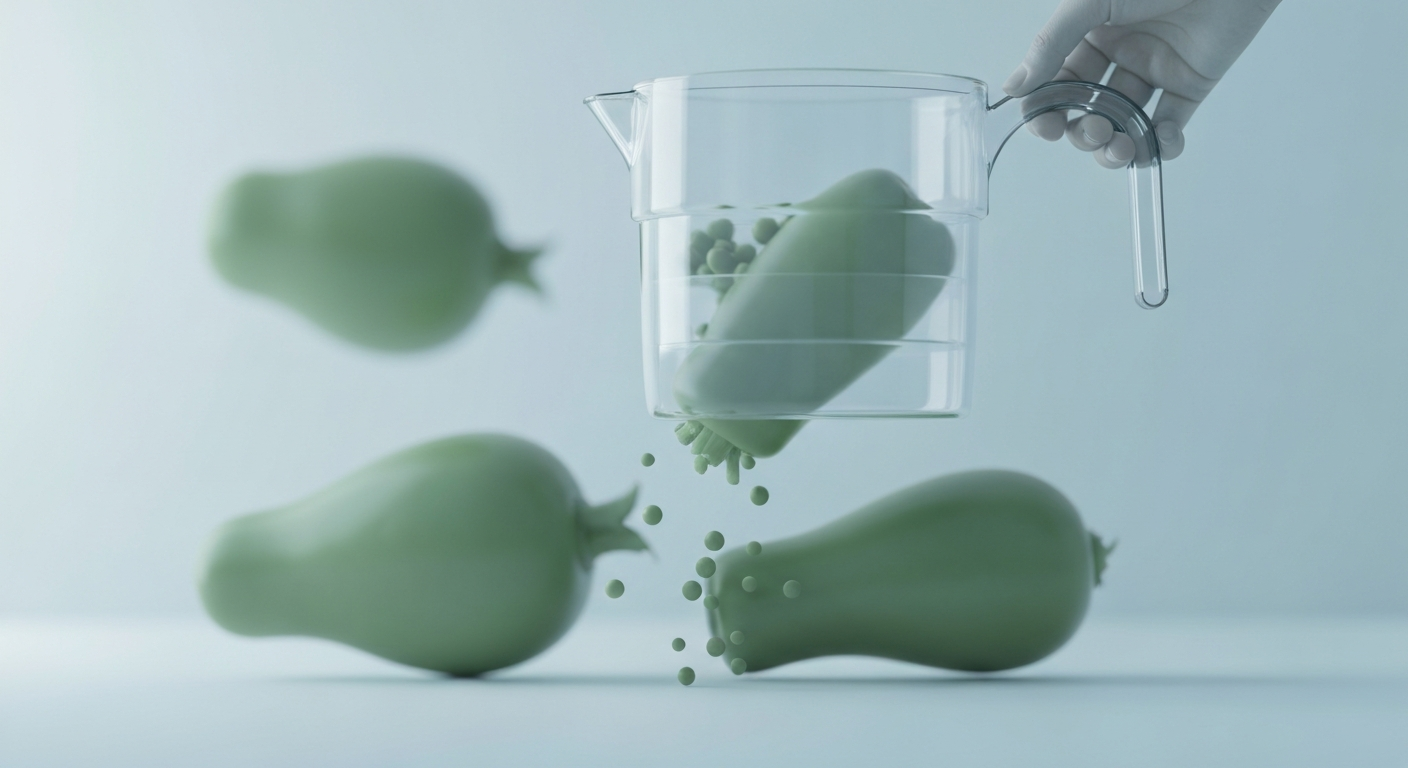
When managing kidney health, potassium often becomes a primary focus. Many nutrient-dense vegetables like potatoes, sweet potatoes, carrots, and beets are naturally high in this mineral. While these foods are healthy, those monitoring their kidney function may need to limit their intake. This is where 'leaching' becomes an essential kitchen strategy, allowing you to enjoy a wider variety of produce by reducing its mineral load before it ever hits the plate.
How to Master the Soak
Leaching is the process of pulling potassium out of vegetables and into water. To do this effectively, start by peeling the vegetable and slicing it thinly or dicing it into small pieces. This increases the surface area, making it easier for the potassium to escape. Rinse the pieces in warm water for a few seconds, then soak them in a large pot of warm water—aim for at least ten times more water than vegetables. Let them soak for at least two hours; if you are soaking them longer, be sure to change the water every few hours.
Once the soak is complete, rinse the vegetables one final time under warm water. You can then boil, steam, or roast them as usual. While leaching doesn't remove all the potassium, it can significantly lower the concentration, making these foods much easier for your kidneys to process. By combining this prep method with consistent tracking in the PureLog app, you can maintain a diverse, flavorful diet while staying within your daily nutritional goals.