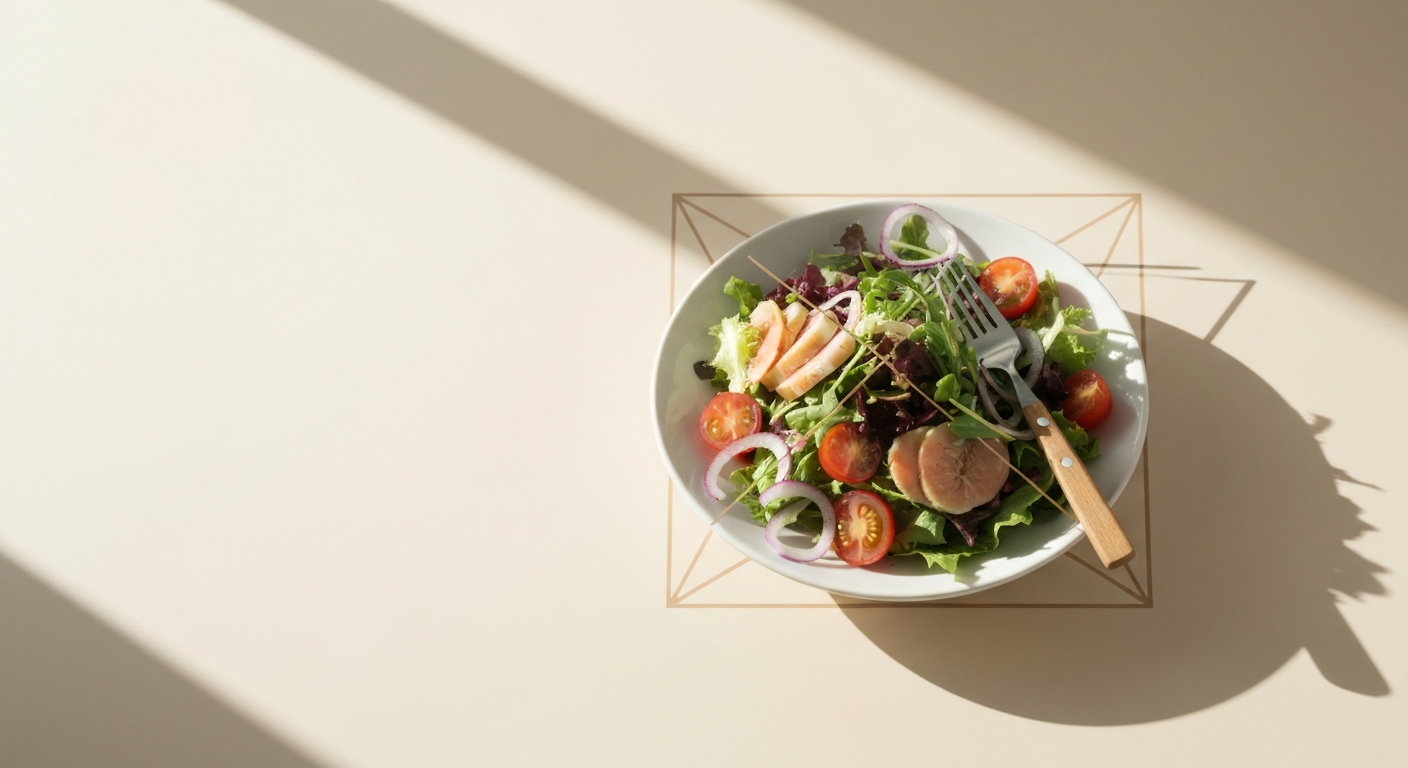
A great salad is more than just a pile of greens; it’s a feat of engineering. When tracking your nutrition, the architecture of your meal determines whether you’ll actually enjoy it by lunchtime or end up with a wilted, soggy mess. By understanding how to layer textures and moisture, you can build bowls that stay fresh for days and provide a balanced profile of macronutrients without the mid-day slump.
The Golden Rule of Layering
To keep ingredients crisp, always follow the bottom-to-top moisture gradient. Start with your dressing at the very bottom of the container. Next, add barrier ingredients—sturdy items like chickpeas, cucumbers, or farro that won't break down or absorb too much liquid. Follow this with your protein and more delicate vegetables. Finally, place your leafy greens and crunchy toppers, such as toasted seeds or nuts, at the very top. This keeps the most sensitive elements as far from the dressing as possible until you are ready to shake and serve.
The Nutritional Framework
For a truly satiating meal that fits your PureLog targets, use the Power Four blueprint: a fiber-rich base (spinach, kale, or arugula), a lean protein (lentils, tofu, or grilled poultry), a healthy fat (sunflower seeds, hemp hearts, or avocado), and a micronutrient booster (vibrant berries, shredded beets, or radishes). This structural approach ensures you hit your macro goals while the varied textures keep your palate engaged, making it significantly easier to stick to your healthy eating habits throughout the work week.